Which Family Dentist in Florida Is Accepting New Patients?
Maybe you just moved to Tampa. Maybe your old dentist retired, or your insurance changed. Whatever the reason, searching for a family…

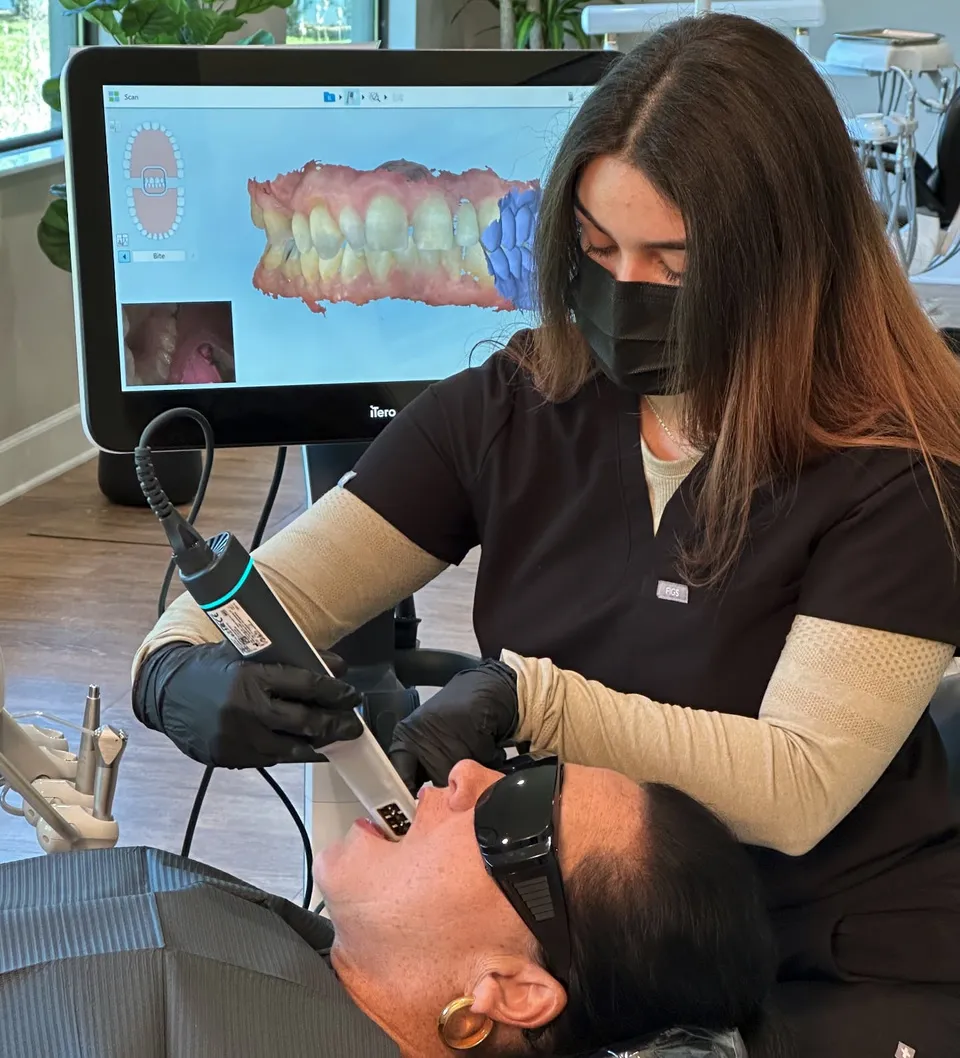
Patient Tips · November 22, 2025
Dental sealants are a powerful preventive tool in modern dentistry, offering a simple yet effective method to protect teeth from decay. Especially beneficial for children and teenagers, sealants act as a barrier against cavity-causing bacteria. For residents in Tampa, understanding the role of dental sealants can be pivotal in maintaining optimal oral health.
Dental sealants are thin, protective coatings applied to the chewing surfaces of molars and premolars. Typically made from resin-based materials, these sealants bond into the grooves of the teeth, forming a shield against food particles and bacteria. This barrier helps prevent the onset of cavities by sealing out plaque and acids.
Application Process
The application of dental sealants is a quick and painless procedure:
This entire process takes only a few minutes per tooth and provides long-lasting protection.
Sealants are highly effective in preventing cavities, particularly in the molars, which are prone to decay due to their grooves and pits. Studies have shown that sealants can reduce the risk of decay in molars by nearly 80%.
Longevity and Effectiveness
While not permanent, dental sealants offer substantial protection for several years. With proper oral hygiene and regular dental check-ups, sealants can last up to 9 years, though they are most effective in the first 2 to 4 years. Regular monitoring ensures they remain intact and effective.
Children and teenagers are prime candidates for dental sealants. Applying sealants to the permanent molars as soon as they erupt can protect against cavities during the cavity-prone years of ages 6 to 14.
While commonly associated with children, adults can also benefit from sealants, especially if they have deep grooves or fissures in their teeth that are difficult to clean. For adults without decay or fillings in their molars, sealants can provide an added layer of protection against cavities.
| Feature | Dental Sealants | Dental Fillings |
|---|---|---|
| Purpose | Preventive measure to avoid cavities | Restorative treatment for existing cavities |
| Application Time | Quick and painless | Requires more time and may need anesthesia |
| Material | Resin-based coating | Composite resin, amalgam, or other materials |
| Longevity | Up to 9 years with proper care | Several years, depending on material |
| Ideal Candidates | Children and adults without decay | Individuals with cavities |
Sealants are a proactive approach, aiming to prevent decay, while fillings are reactive, addressing decay that has already occurred.
The cost of dental sealants is relatively affordable, especially when considering the potential savings from avoided cavity treatments. On average, the cost ranges from $30 to $60 per tooth. Many dental insurance plans cover sealants for children under the age of 18 as a preventive service. However, coverage for adults varies and may not be included in all plans. It’s advisable to check with your insurance provider to understand the specifics of your coverage.
To ensure the longevity and effectiveness of dental sealants:

Maybe you just moved to Tampa. Maybe your old dentist retired, or your insurance changed. Whatever the reason, searching for a family…
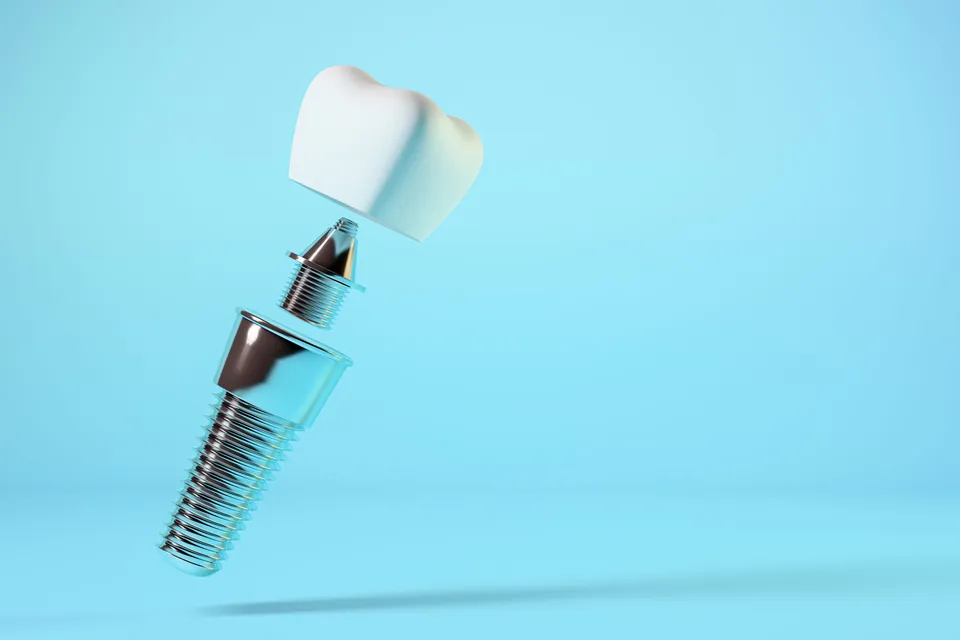
Missing a tooth can affect more than your smile. It can change the way you chew, speak, and even feel when you walk into a room. If you’re…

Typing “dentist near me” into your phone is easy. Figuring out which of those offices actually accepts your dental insurance is the hard…
Call our Tampa office or request a time online. New patients are always welcome.